
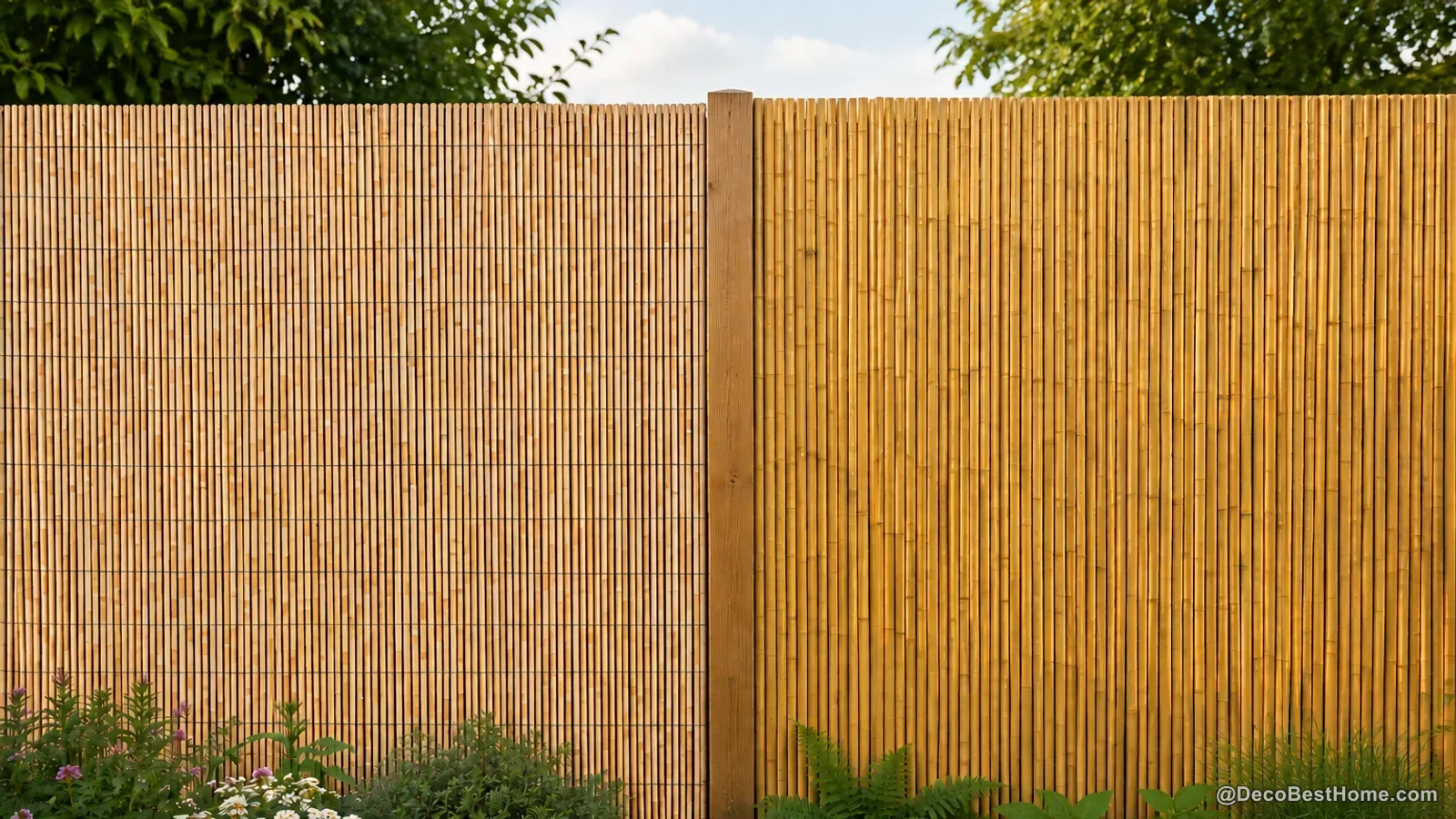
Reed or bamboo? A straight side-by-side on privacy, lifespan, looks and cost — so you pick the right natural screen for your garden or balcony first time.
Reed and bamboo screening do the same job — instant, natural privacy by the roll — but they look and behave differently. Here's a straight comparison so you can choose with confidence.
The quick verdict
- Choose reed screening for a soft, warm, cottage or coastal look — and a lower price.
- Choose bamboo screening for a bolder, more structured, contemporary look and maximum durability.
- Both are 100% natural, chemical-free and fix straight to an existing fence.
Look and colour
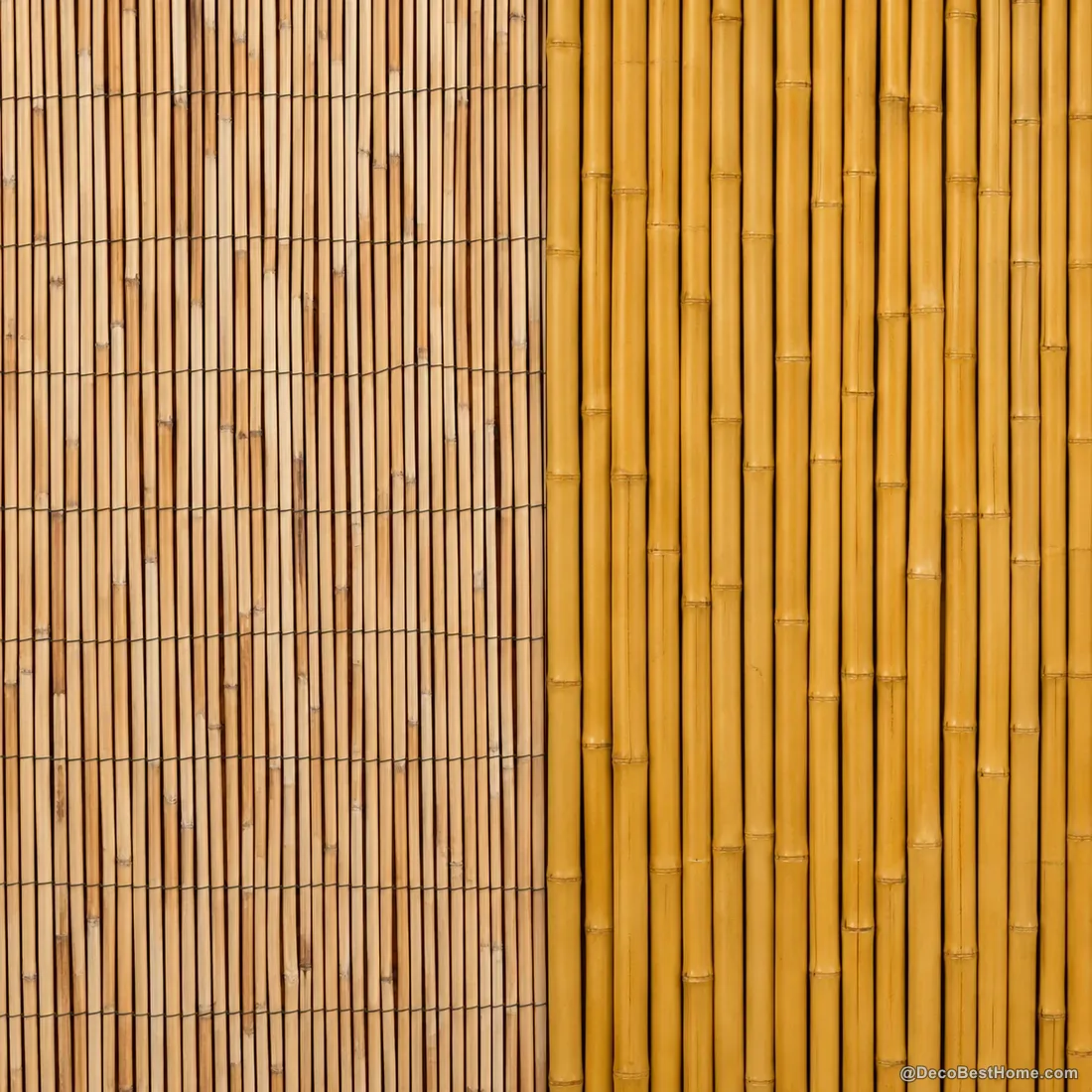
Reed is made of slim, uniform stems — fine, pale and understated, with a gentle golden tone that silvers softly over time. Bamboo uses thicker canes with visible nodes, giving a chunkier, more architectural line and a warmer honey colour. Reed melts into planting; bamboo makes more of a statement.
Privacy and density
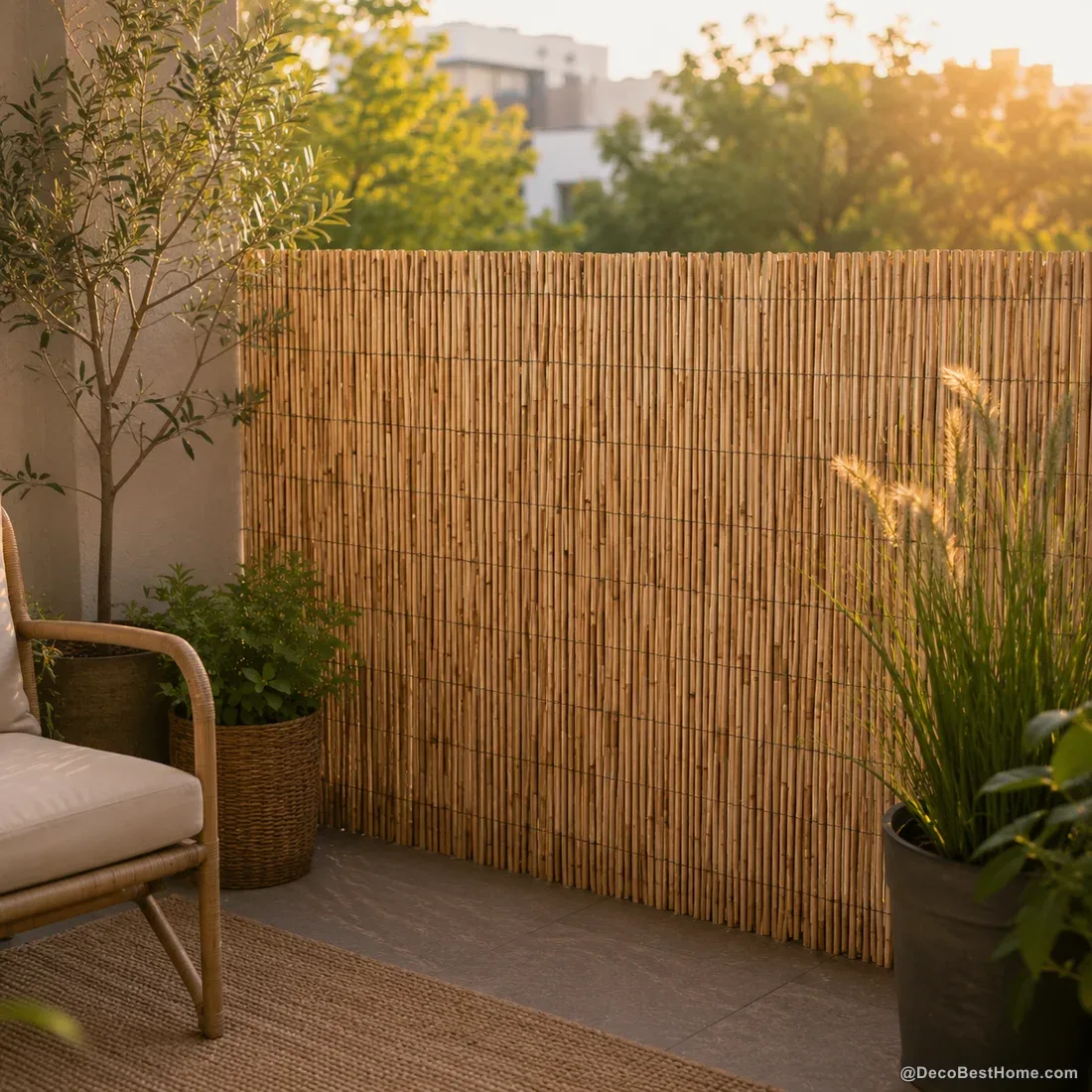
Reed's tightly-packed thin stems give excellent, near-solid coverage — ideal where you want to disappear a view completely. Bamboo is also very private, but the thicker canes leave a touch more rhythm and light between them. For a balcony you want to fully enclose, reed edges it; for a garden boundary, both work.
Lifespan and weather
Bamboo is the tougher of the two — thicker walls handle sun, wind and knocks better, and quality bamboo lasts years outdoors. Reed is durable too but a little more delicate; kept off wet ground it gives long, reliable service. Either way, curing and quality matter more than the material itself.
Cost
Reed is generally the more budget-friendly option, which makes it popular for larger runs and rental balconies. Bamboo sits a little higher, reflecting the heavier material — you're paying for presence and longevity.
So which should you choose?
- Balcony, or a soft natural / coastal feel → reed.
- Modern garden, bold boundary, maximum durability → bamboo.
- Tight budget over a long run → reed.
- A statement feature wall → bamboo.
Frequently asked questions
Is reed or bamboo more private?
Reed, by a hair — its fine, densely-packed stems leave almost no gaps. Bamboo is still very private but shows a little more of the canes' rhythm.
Which lasts longer?
Bamboo, thanks to its thicker walls. Both last well when kept off wet ground; curing and quality make the biggest difference.
Can I mix them?
Absolutely — many gardens use bamboo for the main boundary and reed on a balcony or softer corner. Both fix the same way.
Supplying a garden centre or project? We ship reed, bamboo and natural fence screening factory-direct by the container — wholesale and OEM welcome.
Keep reading
More from the journal
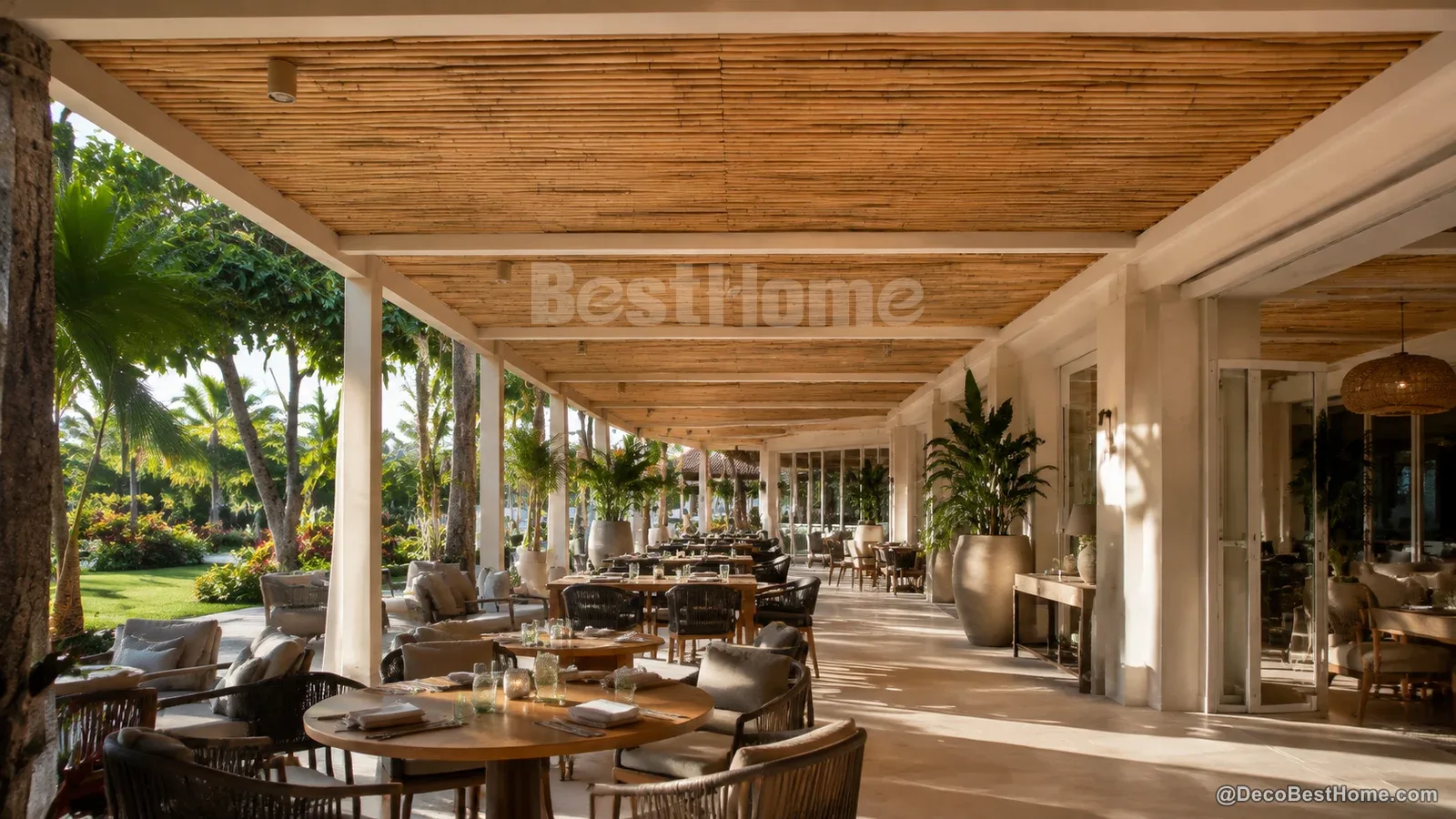
Natural Bamboo Fence Rolls for Ceilings: Natural False Ceilings, Best Choice, Done Beautifully
Bamboo mat rolls make warm, natural decorative ceilings and false ceilings — for restaurants, bars, resorts, terraces and lobbies. Here's how.
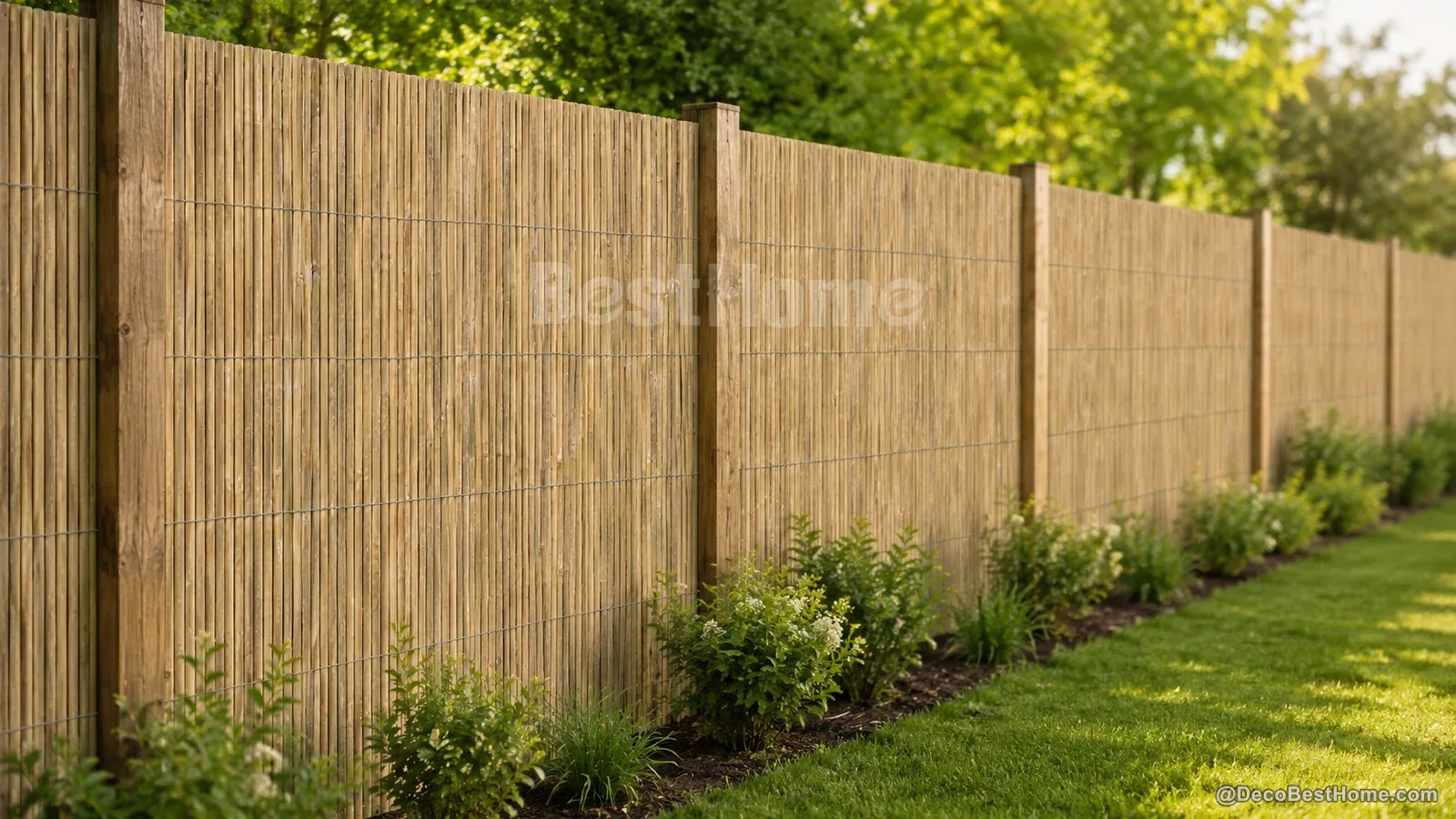
Split Bamboo Slat Fencing: A Clean, Natural Privacy Screen
What split bamboo slat fencing is, how it differs from round-cane screening, the sizes, and how to put it up — a refined, natural way to get instant privacy.
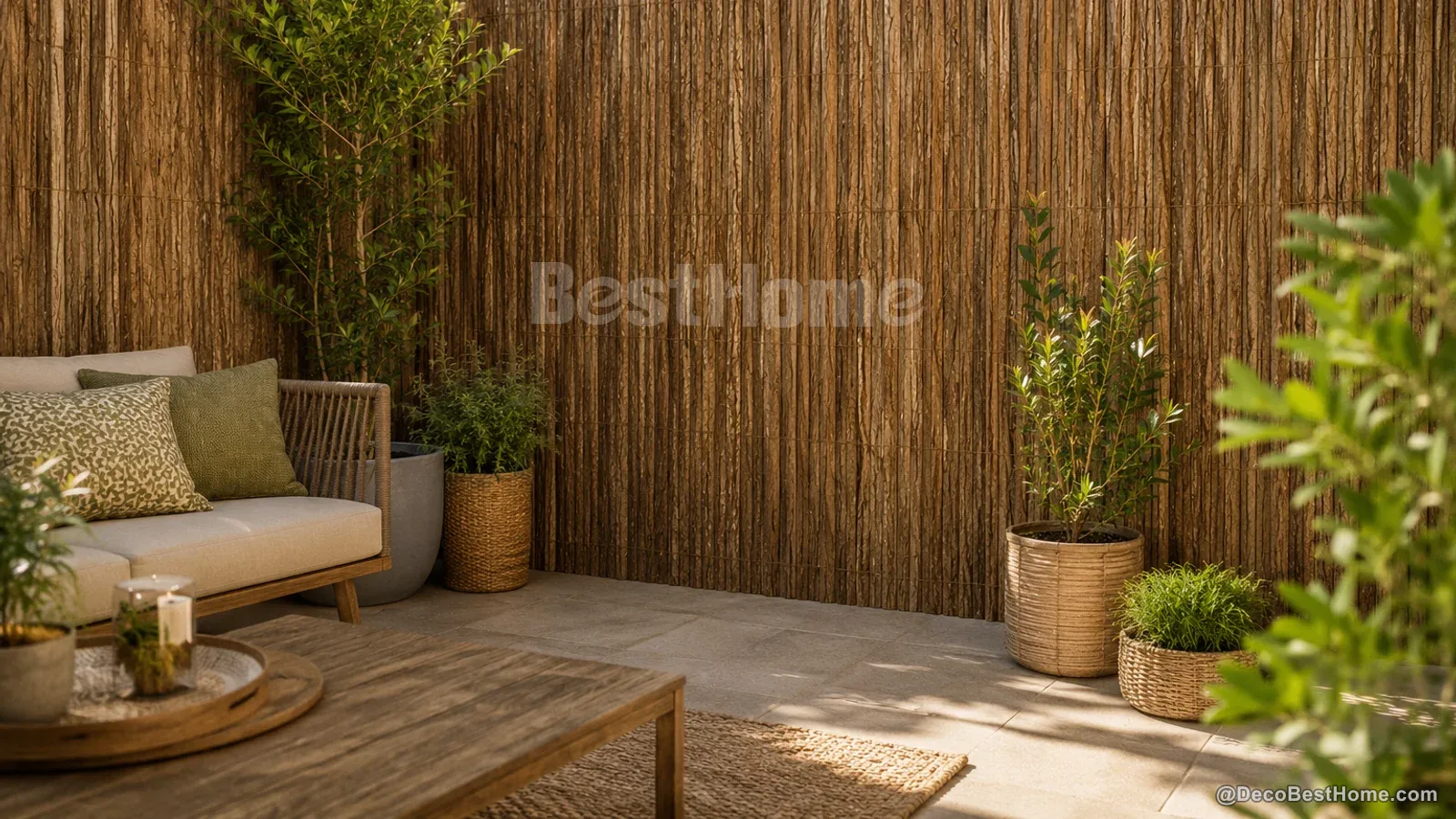
Bark Screening: Rustic, Natural Privacy for Your Garden
What bark screening is, how it looks and lasts, and how to put it up — the warm, woodland way to get instant garden privacy.
Have a project in mind?
Let's source the right natural materials for it.
Tell us what you're building and we'll send specs, samples and a factory-direct quote.