
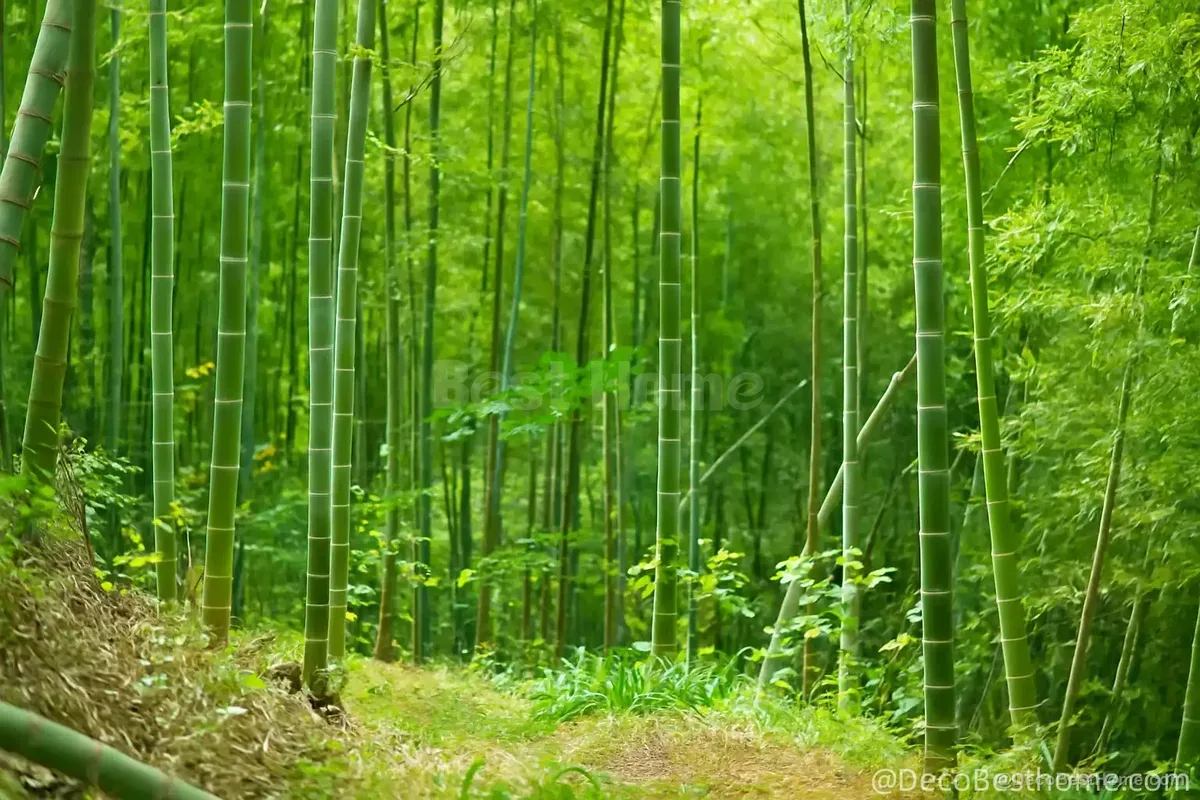
What makes Moso bamboo so well suited to architecture and decorative work.
The core characteristics of Moso bamboo
Excellent physical and mechanical properties
Moso bamboo possesses notably strong structural qualities. Its mature density reaches 0.8–0.9 g/cm³ — close to hardwood such as oak (about 0.75 g/cm³) — providing considerable hardness and compressive strength.
The material demonstrates impressive strength metrics. Its longitudinal tensile strength reaches 180–220 MPa, while longitudinal compressive strength is about 70–90 MPa, close to that of concrete. The layered fiber structure grants flexibility, allowing it to withstand deformation without breaking easily.
Rapid growth and renewability
Moso bamboo requires only 3–5 years to mature, while hardwood takes decades, making it a sustainable resource. Furthermore, the carbon sequestration efficiency of bamboo forests is 2–3 times that of ordinary forests, aligning with environmental protection goals.
Natural texture and aesthetics
The bamboo surface displays clear texture and elegant colouring ranging from light yellow to golden yellow, and can be modified through carbonization or dyeing to suit diverse design styles.
Weather resistance and stability
After treatment, the material gains improved moisture and insect resistance suitable for humid spaces like bathrooms. The dry-shrinkage and wet-swelling rate of bamboo is lower than that of ordinary wood, reducing deformation risks.
Application advantages in construction and decoration
As a structural material
Moso bamboo laminated timber, created through bonding and laminating, produces beams and columns capable of replacing some steel applications. Traditional bamboo scaffolding remains prevalent in southern China due to the material's strength and lightweight properties.
Interior decoration
Moso bamboo flooring offers a Janka hardness of about 1200–1400 lbf — comparable to oak — ensuring wear and scratch resistance, and its thermal conductivity suits underfloor heating systems well. Walls and ceilings benefit from bamboo's natural sound-absorbing and heat-insulating properties, and the material adapts readily to custom furniture for tables, chairs, and cabinetry.
Environmental and economic benefits
Bamboo carries lower cost than premium hardwoods with minimal processing energy demands. Products easily obtain green building certifications like LEED, strengthening project sustainability profiles.
Limitations and solutions
Moso bamboo's hollow, jointed structure requires cutting and reassembly to improve uniformity and strength. Untreated bamboo is susceptible to mold, necessitating protection through carbonization or environmentally friendly finishes. Modern construction demands metal connectors or bonding techniques to replace traditional binding methods.

Typical cases
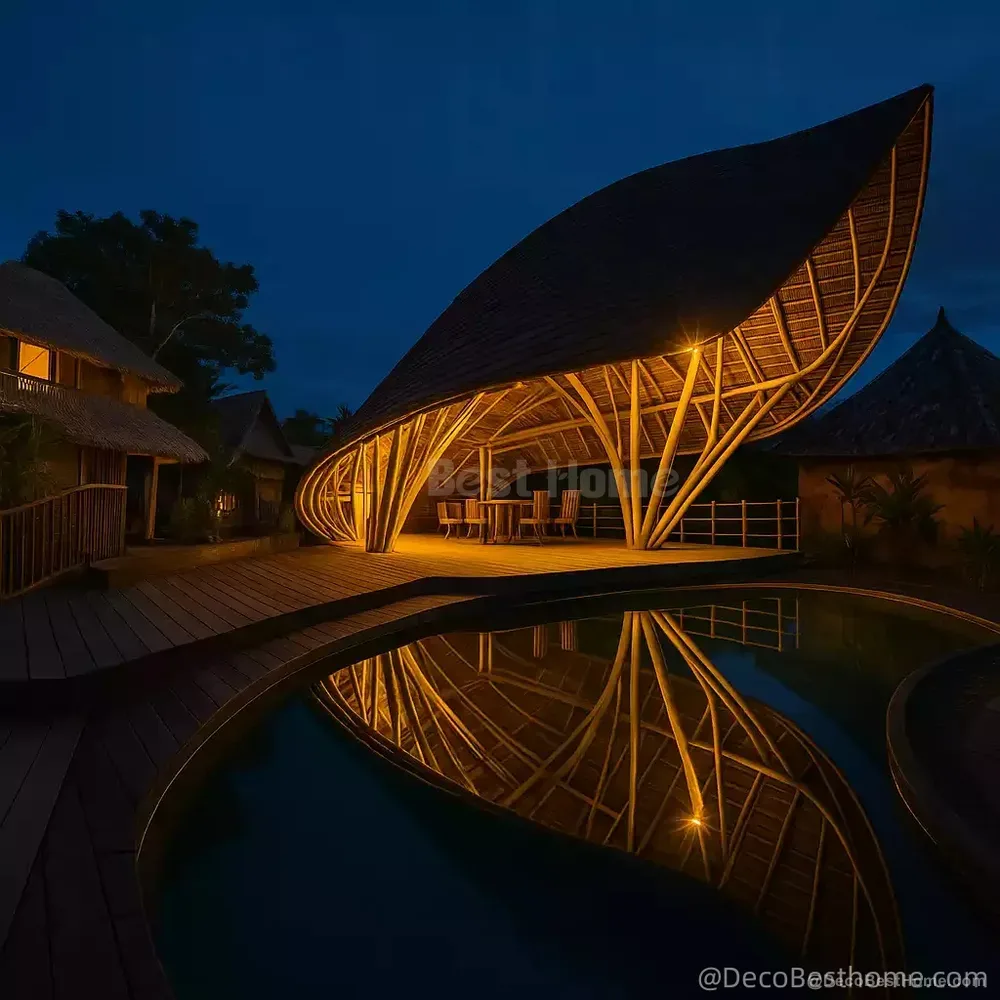
The Green School in Bali demonstrates bamboo's structural potential through its large dome construction. Decorative bamboo poles have gained worldwide market popularity, while composite bamboo materials appear in outdoor walkways and bridges.
Summary
Moso bamboo functions as an environmentally sound substitute for traditional wood, combining high strength, rapid regeneration, and environmental friendliness. Modern processing techniques have broadened its applications from traditional crafts to premium architectural and interior design, supporting global sustainability initiatives.
Keep reading
More from the journal
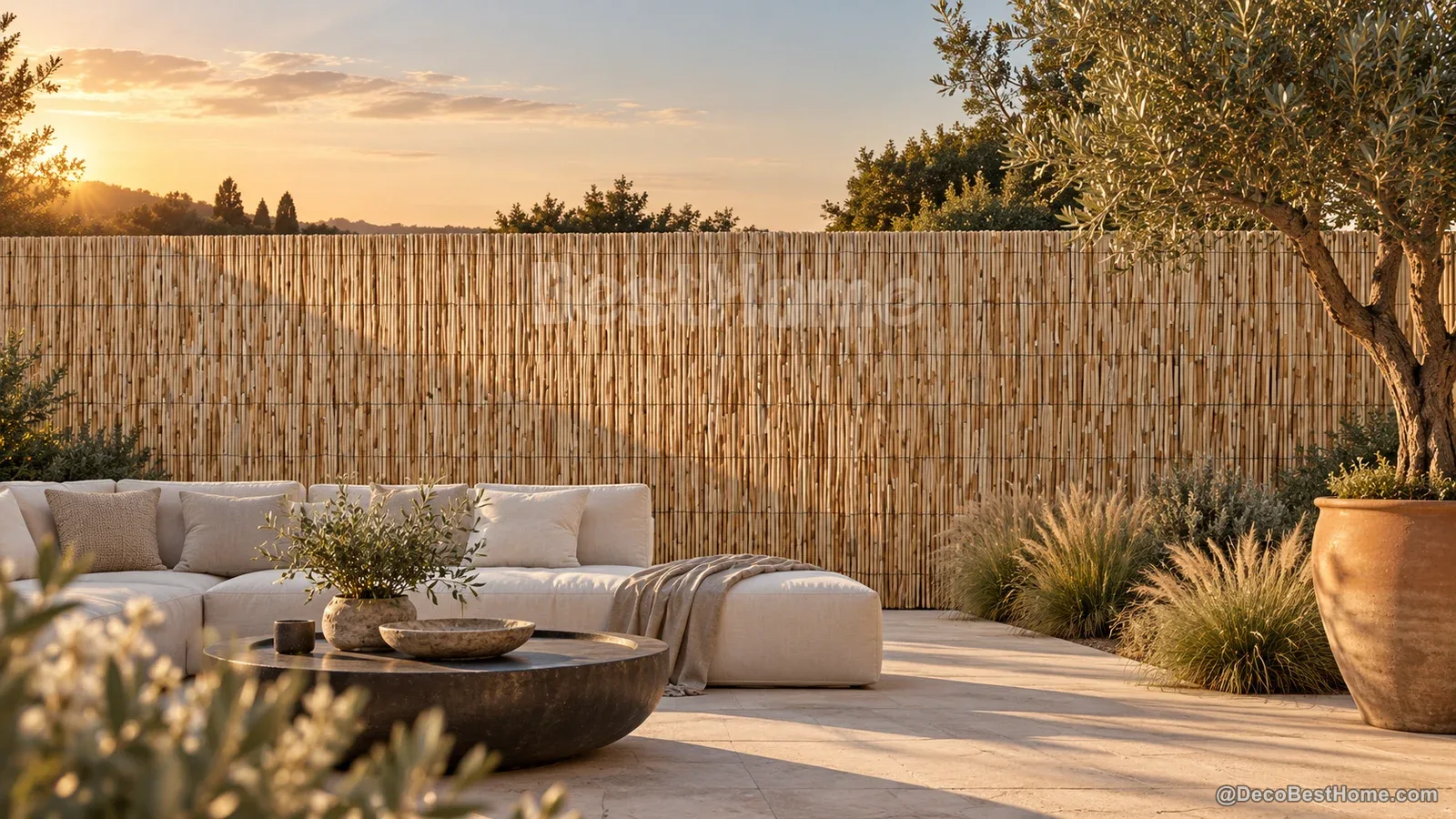
The Best Reed Fence You Can Buy: Extra-Thick Peeled Reed 8–10 mm
Extra-thick peeled reed, 8–10 mm stems woven at maximum density into a fully closed screen — up to 100% privacy and the most premium reed fence we make.
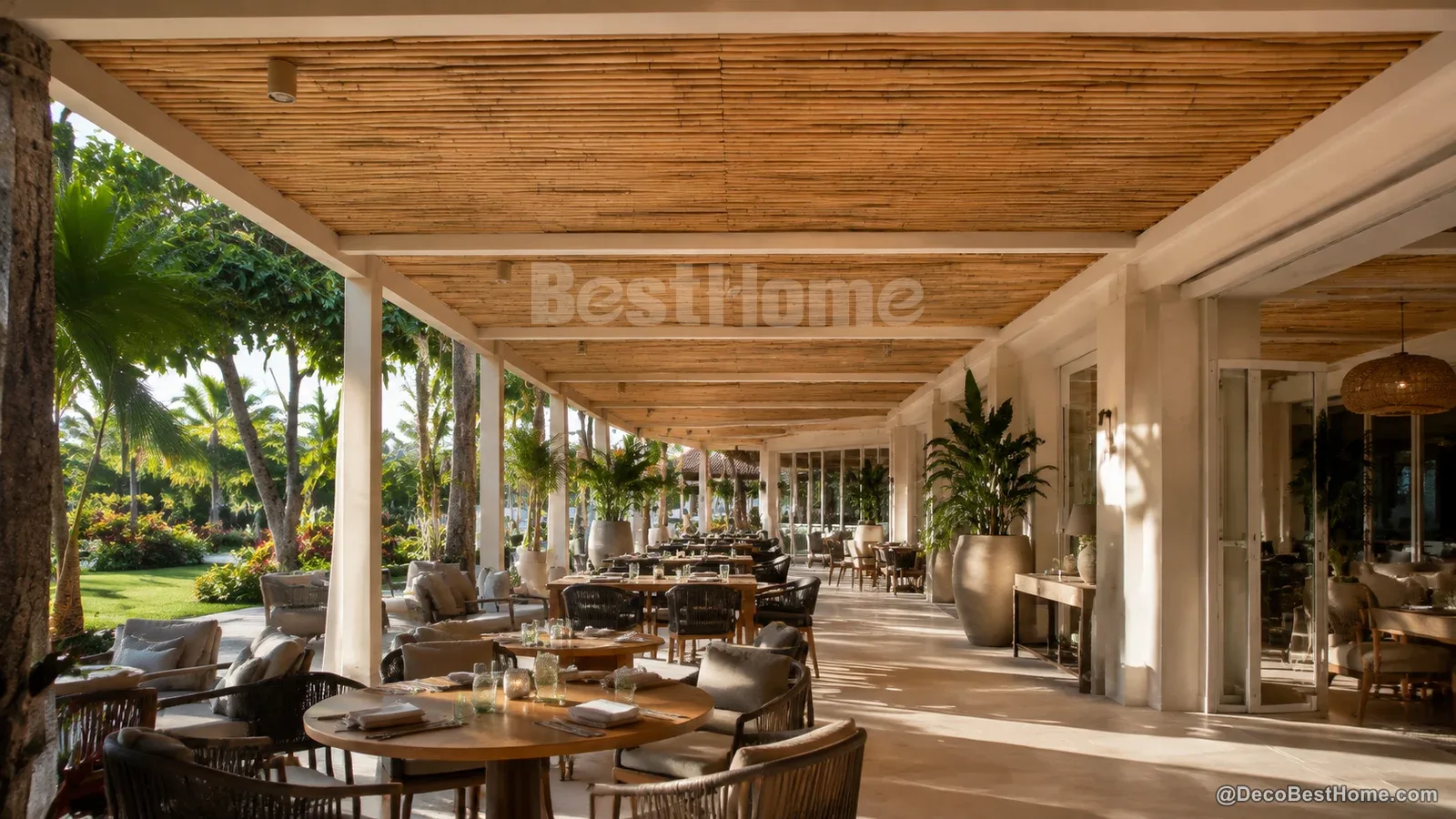
Natural Bamboo Fence Rolls for Ceilings: Natural False Ceilings, Best Choice, Done Beautifully
Bamboo mat rolls make warm, natural decorative ceilings and false ceilings — for restaurants, bars, resorts, terraces and lobbies. Here's how.
Split Bamboo Slat Fencing: A Clean, Natural Privacy Screen
What split bamboo slat fencing is, how it differs from round-cane screening, the sizes, and how to put it up — a refined, natural way to get instant privacy.
Have a project in mind?
Let's source the right natural materials for it.
Tell us what you're building and we'll send specs, samples and a factory-direct quote.