
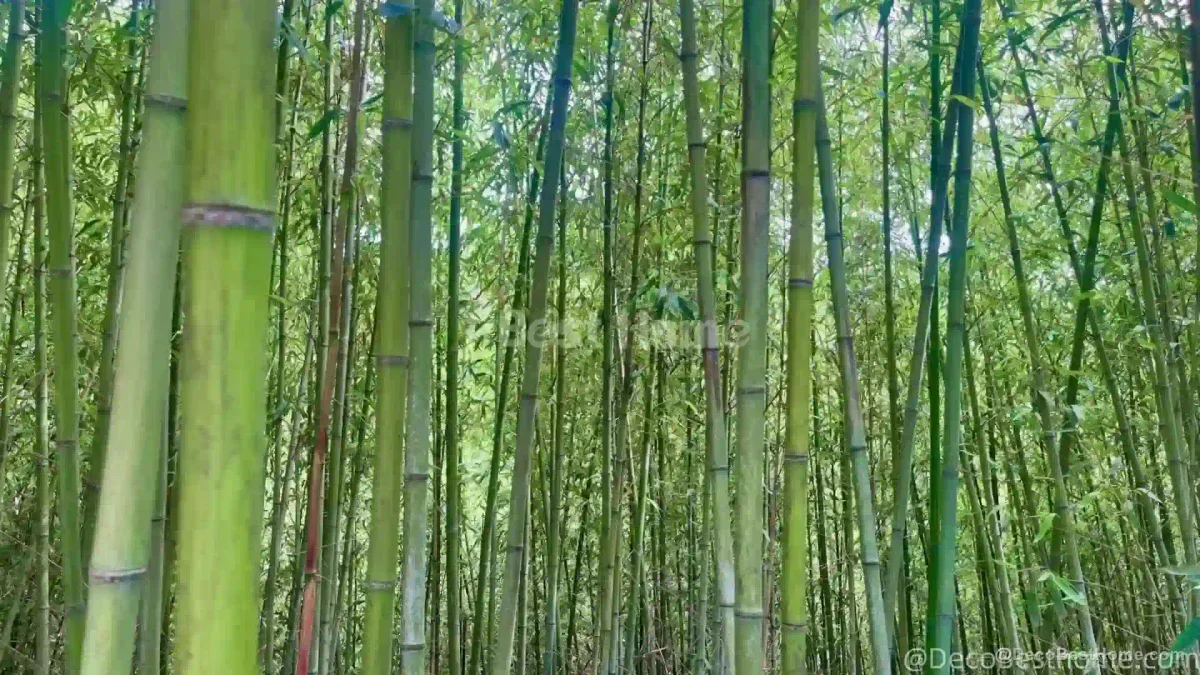
How a fast-growing southern bamboo is quietly reshaping sustainable building.
Tucked into the humid, mountainous south of China, Jiangxi province has quietly become one of the country's most important bamboo regions. Its "Gui" bamboo — a fast-growing, thick-walled timber bamboo — is increasingly the material of choice for builders and designers who want the strength of structural timber with a fraction of the carbon cost.
A bamboo built for building
What sets Jiangxi Gui bamboo apart is the combination of climate and cultivation. Long growing seasons, mineral-rich soils, and generations of forestry know-how produce canes that are straight, dense, and remarkably consistent in diameter — exactly the qualities that matter when bamboo moves from decoration into load-bearing roles.
Mature canes are harvested on a rolling cycle, so the grove is never clear-cut. New shoots replace harvested poles within the same season, which keeps the root system — and the soil it stabilizes — intact year after year.

Why it suits sustainable construction
- Speed of regrowth: poles reach harvest maturity in years, not the decades hardwood demands.
- Strength-to-weight: dense fibers give high tensile and compressive strength while keeping structures light and easy to handle.
- Carbon capture: actively growing bamboo groves absorb carbon dioxide quickly, and that carbon stays locked in the cane once it becomes a beam, panel, or pole.
- Low-impact harvesting: selective cutting leaves the rhizome network undisturbed, preventing erosion on Jiangxi's steep terrain.
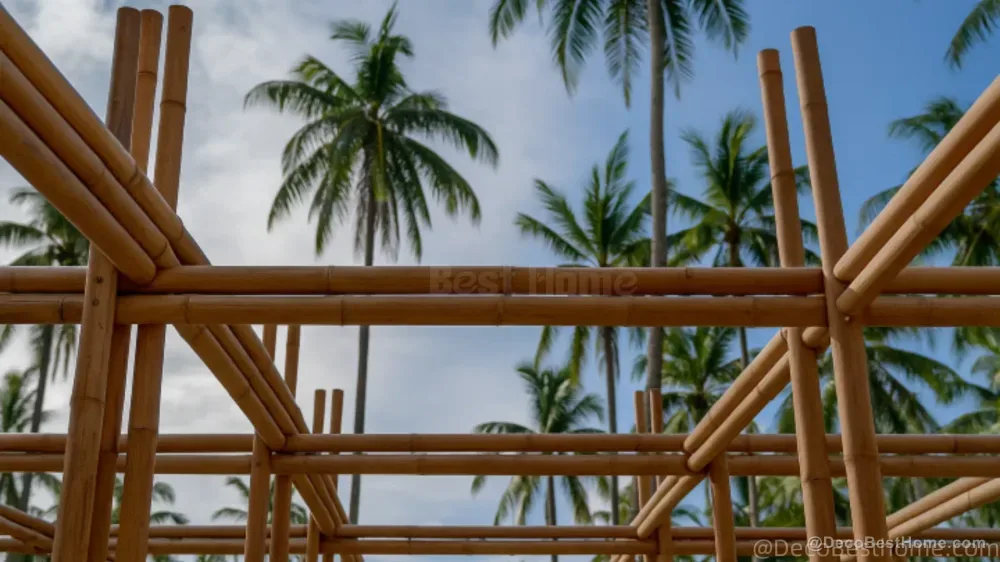
From grove to project
Once harvested, the canes are cured and treated to resist moisture and insects, then graded by diameter and wall thickness. From there they head into a wide range of uses — pergolas and garden structures, interior cladding and dividers, furniture frames, and engineered laminated bamboo for beams and flooring.
For specifiers, the appeal is straightforward: a renewable material with predictable mechanical properties, a transparent supply chain, and a genuinely low environmental footprint.
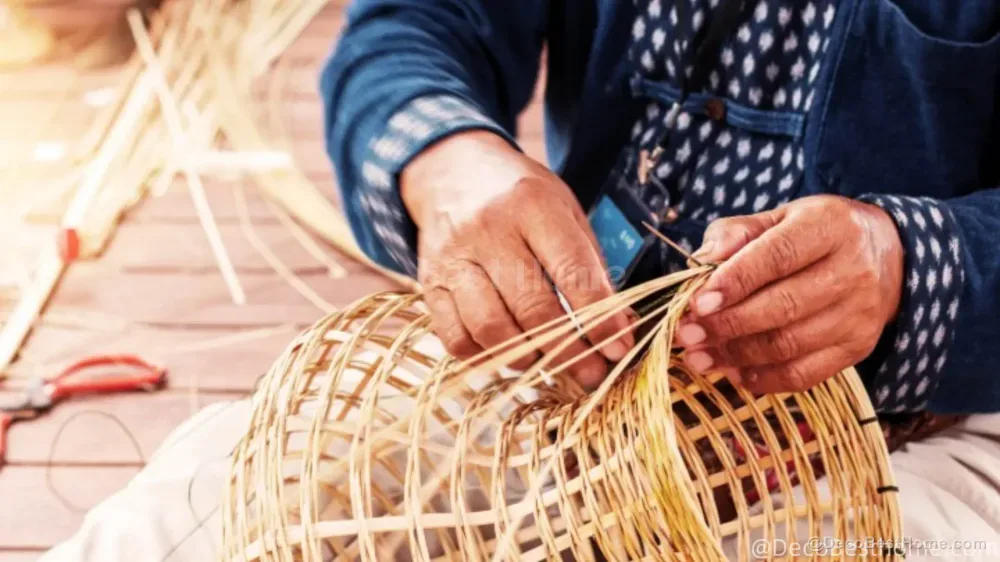
A quiet powerhouse
Jiangxi Gui bamboo rarely makes headlines, but it is steadily reshaping how southern China — and increasingly the rest of the world — thinks about sustainable building. As demand grows for materials that perform like timber without the deforestation, this southern powerhouse is well placed to lead.
Keep reading
More from the journal
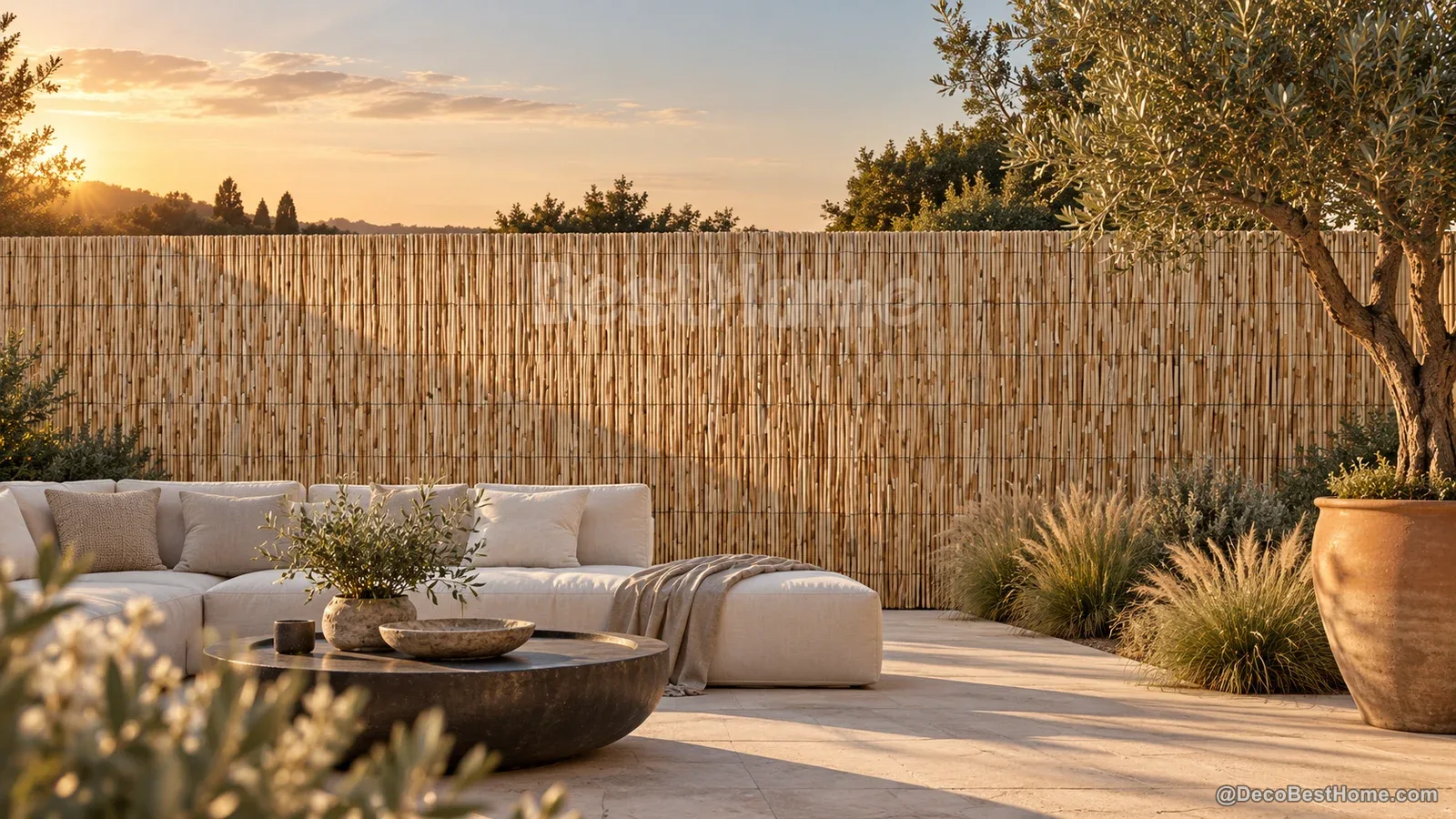
The Best Reed Fence You Can Buy: Extra-Thick Peeled Reed 8–10 mm
Extra-thick peeled reed, 8–10 mm stems woven at maximum density into a fully closed screen — up to 100% privacy and the most premium reed fence we make.
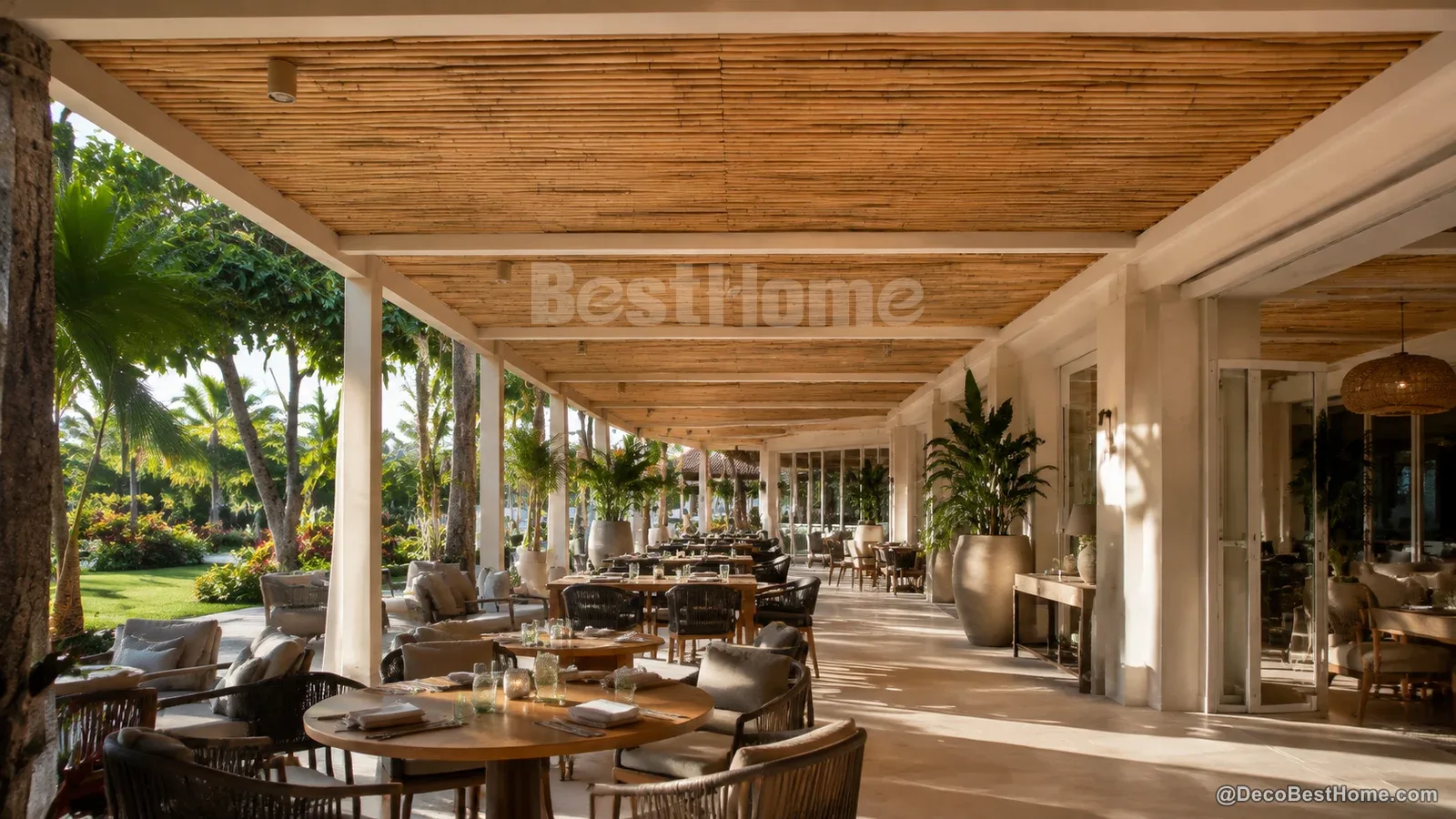
Natural Bamboo Fence Rolls for Ceilings: Natural False Ceilings, Best Choice, Done Beautifully
Bamboo mat rolls make warm, natural decorative ceilings and false ceilings — for restaurants, bars, resorts, terraces and lobbies. Here's how.
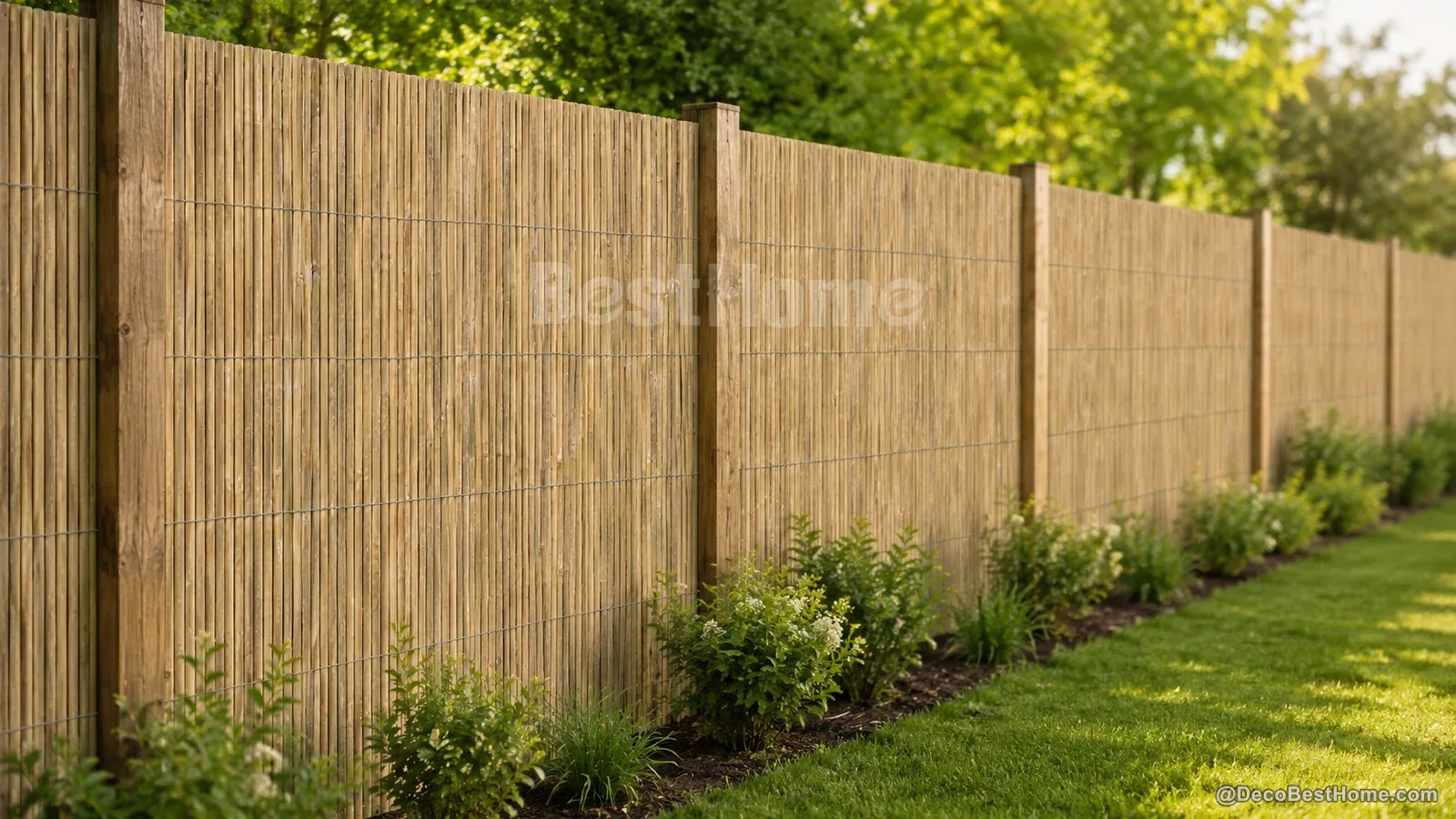
Split Bamboo Slat Fencing: A Clean, Natural Privacy Screen
What split bamboo slat fencing is, how it differs from round-cane screening, the sizes, and how to put it up — a refined, natural way to get instant privacy.
Have a project in mind?
Let's source the right natural materials for it.
Tell us what you're building and we'll send specs, samples and a factory-direct quote.