

Inside the supply chain, craftsmanship and scale that made China the world's go-to source for natural reed screening.
Natural reed resources: the advantage starts at the source
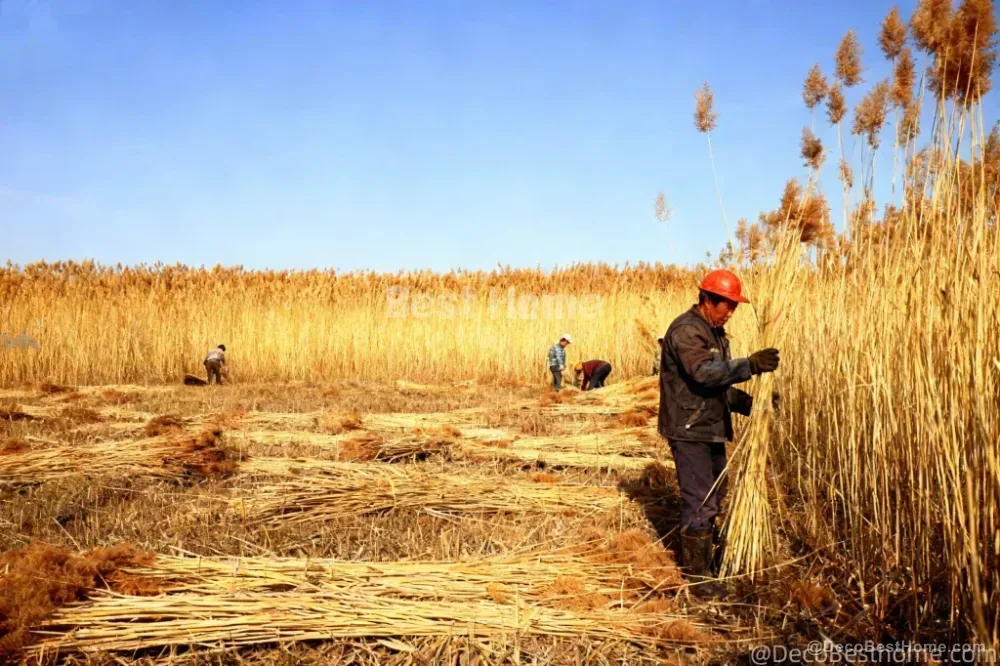
Reed fence screenings depend entirely on their raw material — reeds, a perennial wetland plant with strong, flexible stems perfect for weaving. China is one of the world's richest countries in reed resources.
China's key reed-producing regions include:
- North & Northeast China: Baiyangdian (Hebei), Weishan Lake (Shandong), and Zhalong Wetland (Heilongjiang) produce reeds with thick, resilient stems, ideal for durable screenings.
- Yangtze River Basin: areas in Jiangsu, Hubei, and neighbouring provinces yield dense, straight, high-fiber reeds, thanks to humid climates and fertile soils.
This geographic advantage ensures reeds that are strong, flexible, uniform in colour, and perfect for weaving high-quality screenings. To guarantee consistent supply, China has invested in large-scale reed planting and sustainable wetland management — through crop rotation, controlled harvesting, and environmental conservation — keeping costs low while preserving ecosystems.
From local craft to global industry
China's reed-screening export industry evolved in three clear stages.
1980s–1990s: traditional craft and early exports
- Production took place in rural homes and small family workshops
- Weaving was done manually
- Exports were limited, mainly to Japan and South Korea
- Products were sold at low cost with simple craftsmanship
2000–2010: industrialization and rapid growth
After China joined the WTO, specialized factories appeared in Shandong, Hebei, Jiangsu, and nearby regions. Mechanical weaving technology increased output and consistency, and export channels expanded into Europe and North America. During this decade, exports grew over 15% per year, driven by China's unbeatable cost-performance ratio.
2010–today: branding, innovation and global reach
- A fully developed supply chain: from planting and harvesting to weaving, packaging, and global shipping
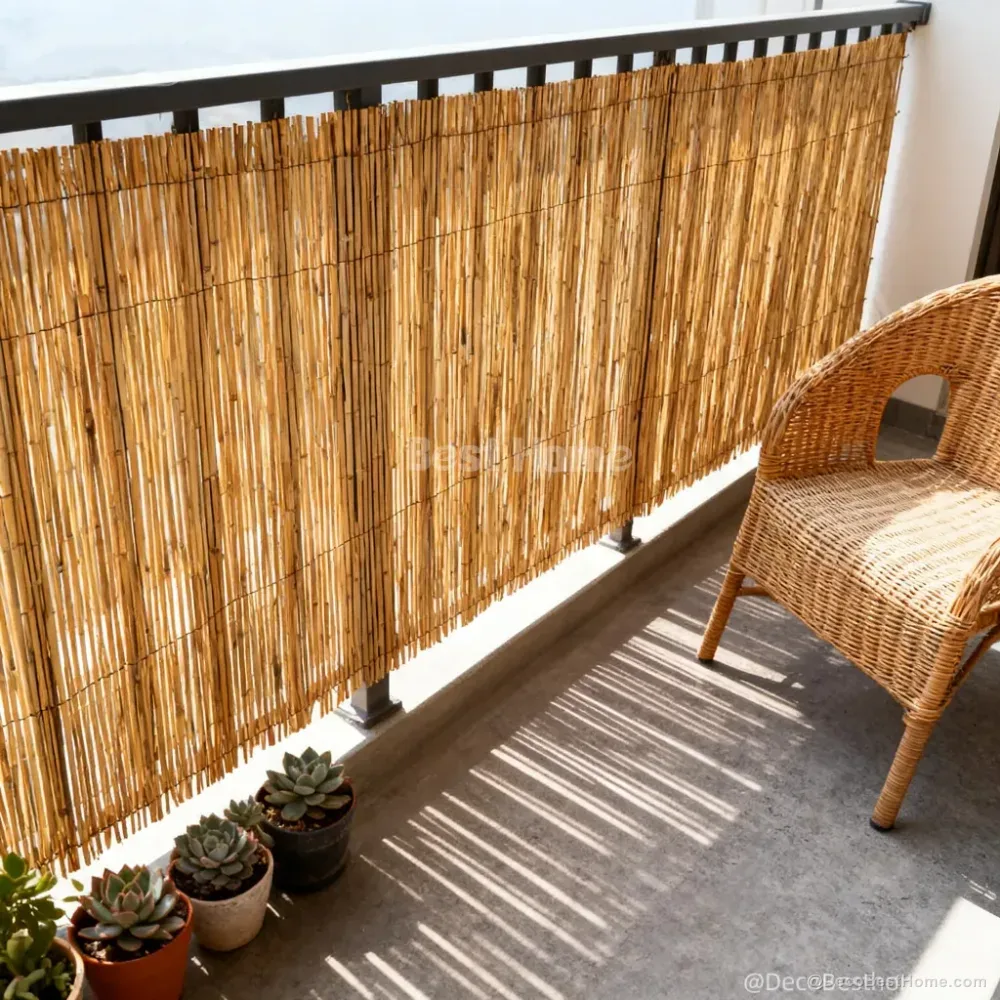
- Product innovation: dyed and printed reed screens, mixed-material mats, and decorative reed fence panels
- Global presence through Alibaba, Amazon and cross-border logistics
- Export to 100+ countries, with the EU and U.S. as the largest markets
Today, China commands over 80% of global reed-fence screening exports.
Why China leads
China's dominance is not accidental — it is built on several strategic advantages:
- Natural resource endowment: access to vast reed wetlands keeps raw material cost stable and low.
- Skilled labour and modern technology: traditional hand-craft expertise blends with automated weaving, achieving both quality and scale.
- Supportive industrial policies: local governments promote rural industries, helping reed-producing regions form industrial clusters.
- Fast adaptation to global trends: manufacturers quickly developed eco-certified products, custom sizes, and innovative colours and textures.
Conclusion
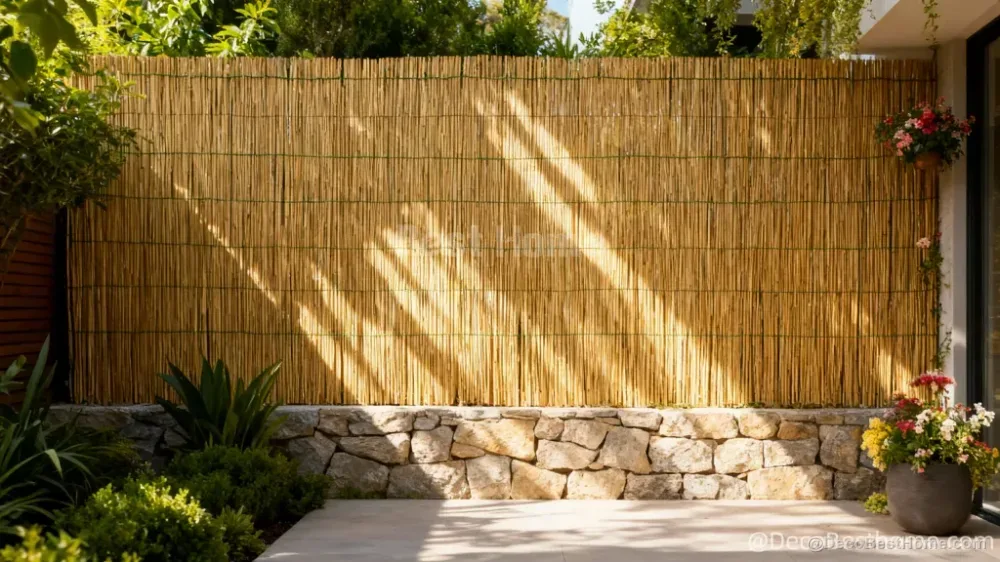
From the reed wetlands of North China to gardens and living rooms across Europe and America, Chinese reed fence screenings represent a classic "Made in China" success story. Natural advantages created the foundation, but industrial growth, innovation, and global market strategy turned reed screenings into a thriving export sector. As sustainability becomes an increasingly important global priority, China's reed industry is poised to continue leading — weaving a greener future for eco-friendly living worldwide.
Keep reading
More from the journal
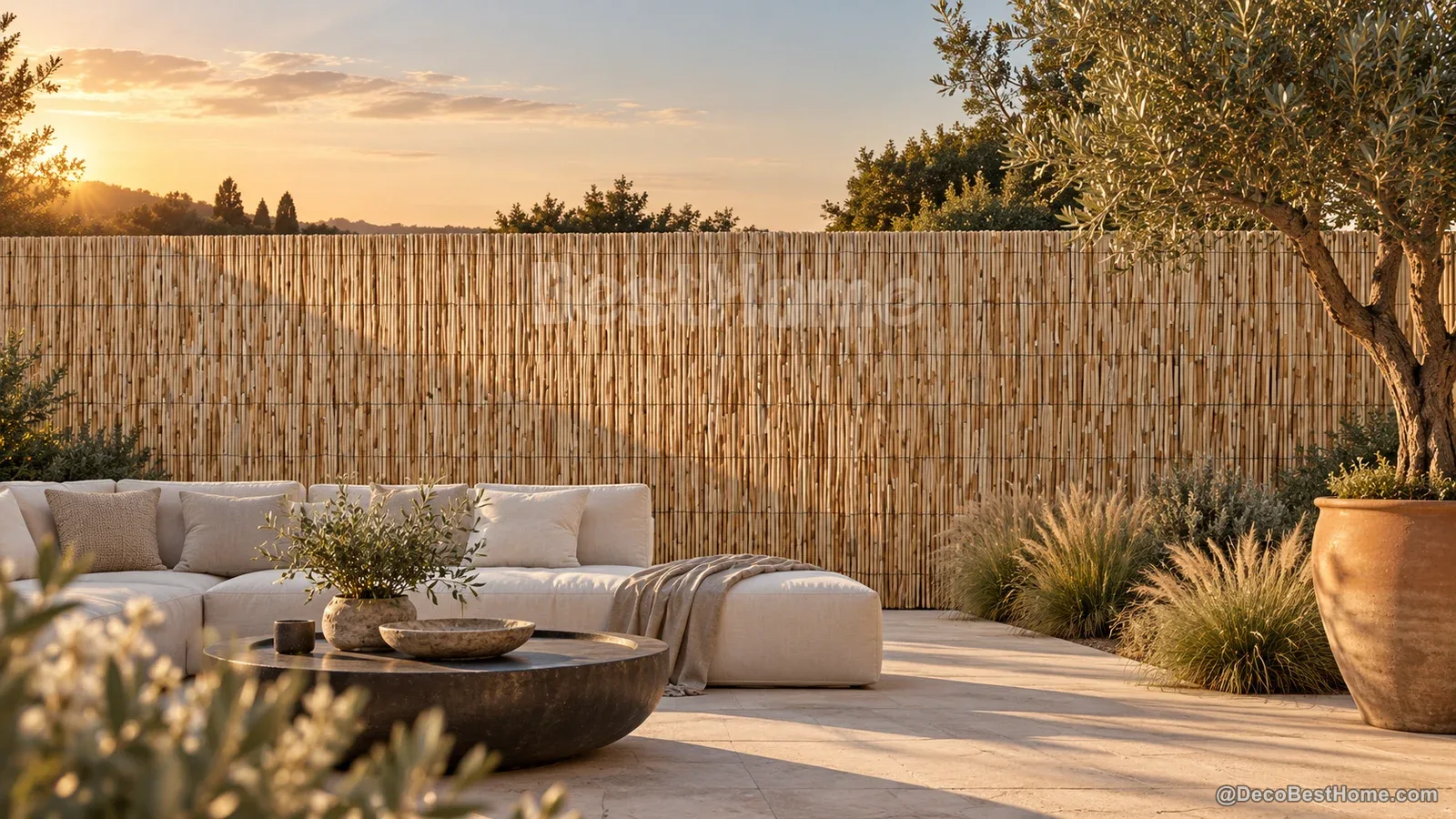
The Best Reed Fence You Can Buy: Extra-Thick Peeled Reed 8–10 mm
Extra-thick peeled reed, 8–10 mm stems woven at maximum density into a fully closed screen — up to 100% privacy and the most premium reed fence we make.
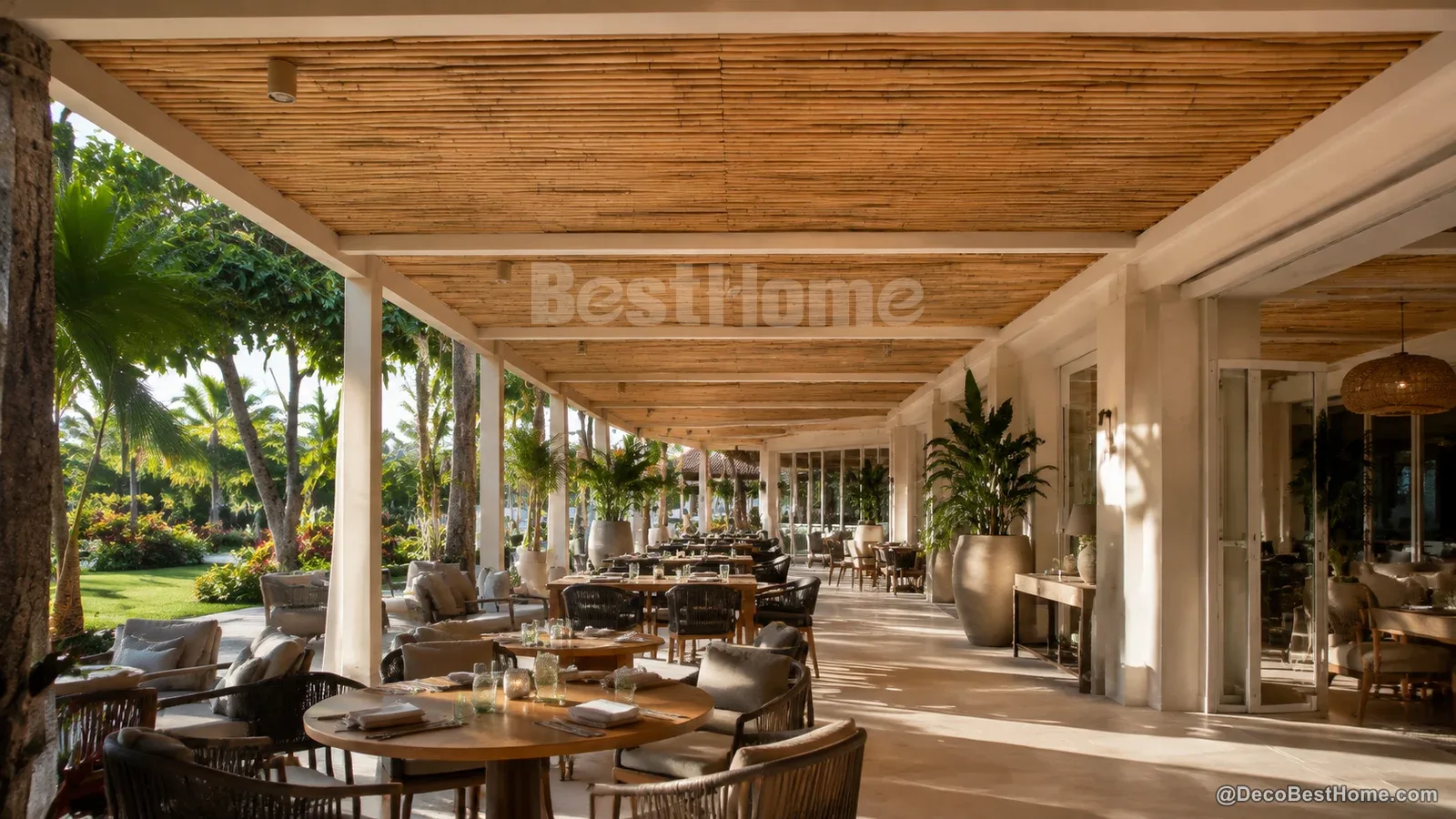
Natural Bamboo Fence Rolls for Ceilings: Natural False Ceilings, Best Choice, Done Beautifully
Bamboo mat rolls make warm, natural decorative ceilings and false ceilings — for restaurants, bars, resorts, terraces and lobbies. Here's how.
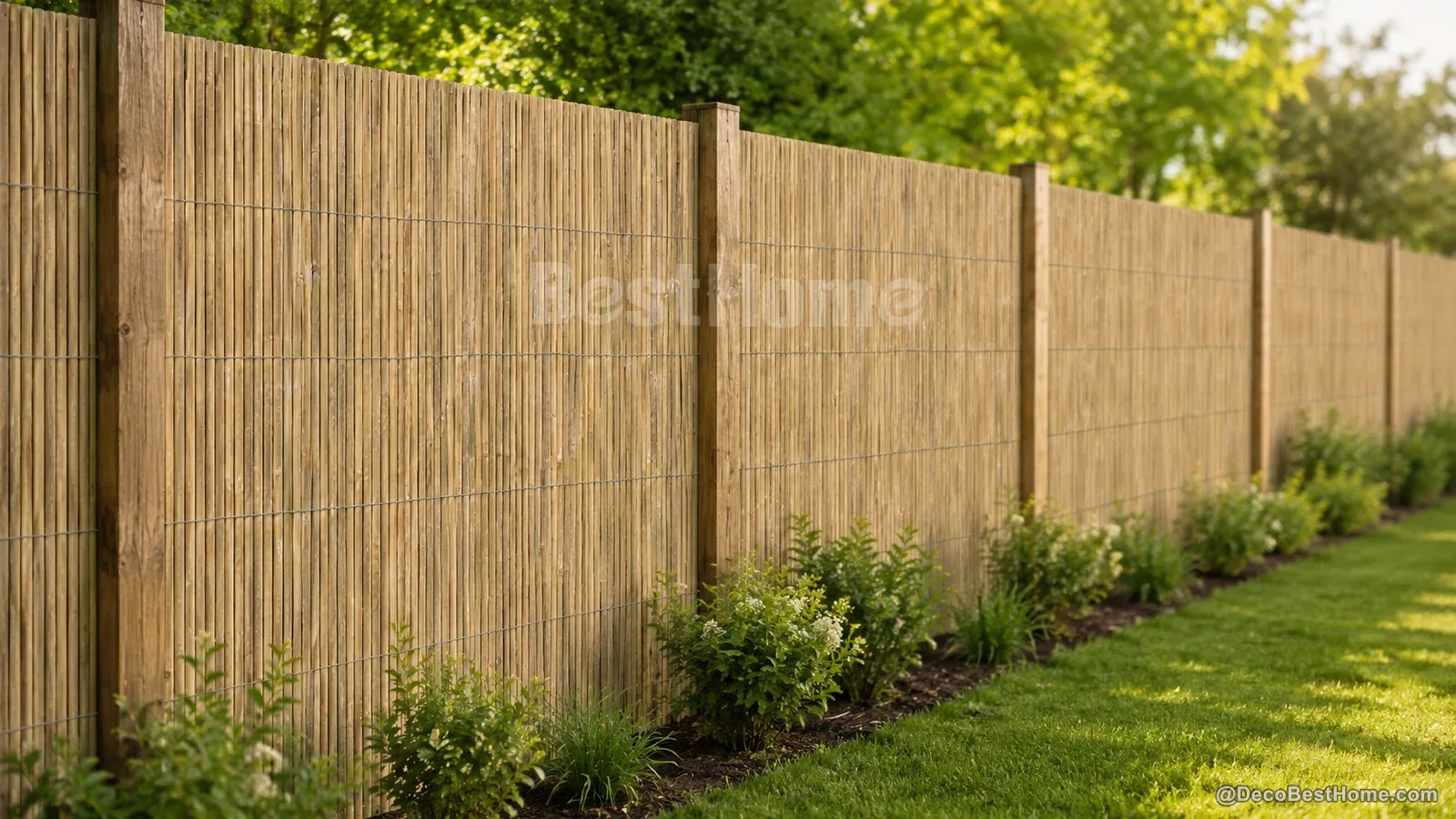
Split Bamboo Slat Fencing: A Clean, Natural Privacy Screen
What split bamboo slat fencing is, how it differs from round-cane screening, the sizes, and how to put it up — a refined, natural way to get instant privacy.
Have a project in mind?
Let's source the right natural materials for it.
Tell us what you're building and we'll send specs, samples and a factory-direct quote.