
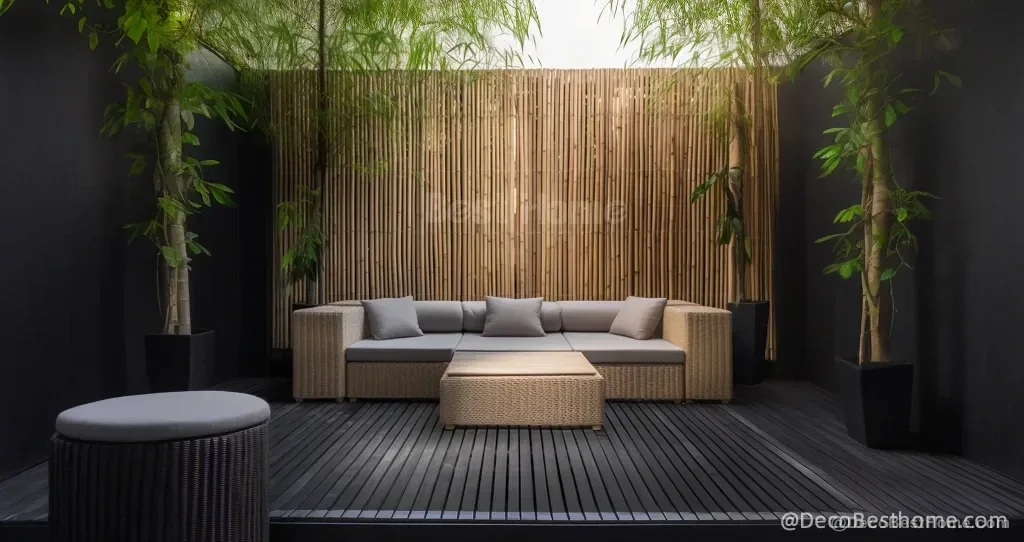
Heights, finishes and formats — a practical guide to picking the bamboo fence that fits.
What is bamboo and why choose it for fencing?
Bamboo is technically classified as a grass and can grow at remarkable rates, with some species shooting up as much as three feet within 24 hours. Due to its rapid growth, bamboo is an excellent candidate for sustainable harvesting, making it an eco-friendly alternative to traditional lumber.
In the context of fencing, bamboo offers several advantages:
- Sustainability: as a fast-growing, renewable resource, bamboo reduces reliance on slow-growing hardwoods, helping to preserve forests.
- Strength: certain species of bamboo have tensile strength comparable to steel and greater compressive strength than many concrete mixtures.
- Versatility: bamboo can be crafted into various styles to suit any garden or landscape design.
- Ease of installation: lightweight and user-friendly, bamboo fencing is easy to work with, whether as a DIY project or professionally installed.
Different species of bamboo used for fences
Not all bamboo is created equal. When selecting bamboo for fencing, it's essential to choose species known for their durability and strength. A few are commonly used for making bamboo fences:
- White bamboo: commonly used in construction and known for its straightness and uniformity, ideal for elegant fences with a clean, consistent look.
- Tonkin bamboo (Pseudosasa amabilis): known for its straightness and uniformity, ideal for clean, consistent fencing.
- Black bamboo (Phyllostachys nigra): valued for its striking dark culms, creating a stunning visual contrast in the garden.
- Moso bamboo (Phyllostachys edulis): one of the most popular species for commercial use, known for its thickness, strength, and versatility.
The environmental benefits of choosing bamboo
The environmental benefits of using bamboo for fencing are substantial. Bamboo grows without the need for pesticides or fertilizers, reducing chemical run-off into the environment. Its extensive root systems help prevent soil erosion in sensitive areas. Bamboo also absorbs carbon dioxide and releases 35% more oxygen into the atmosphere than an equivalent mass of trees, purifying the air.
Bamboo's eco-credentials extend further when considering its role in combating climate change. As a carbon sink, bamboo forests can sequester carbon at a higher rate than some tree species. When harvested and used for products like fencing, the carbon remains trapped in the bamboo, preventing it from returning to the atmosphere.
Bamboo fencing is not merely a means to define the boundaries of your outdoor space; it's a conscious choice that supports a more sustainable way of living. The path towards a greener future can often start in our own backyards.
Matching your fence to the garden style
The beauty of bamboo is its versatility. Whether your garden is a serene Oriental Zen retreat, a lush tropical oasis, or a modern minimalist space, there's a bamboo fence design to enhance the theme.
- Oriental Zen gardens: opt for a bamboo cane fence with clean lines and natural hues to complement the tranquility of a Zen-inspired garden.
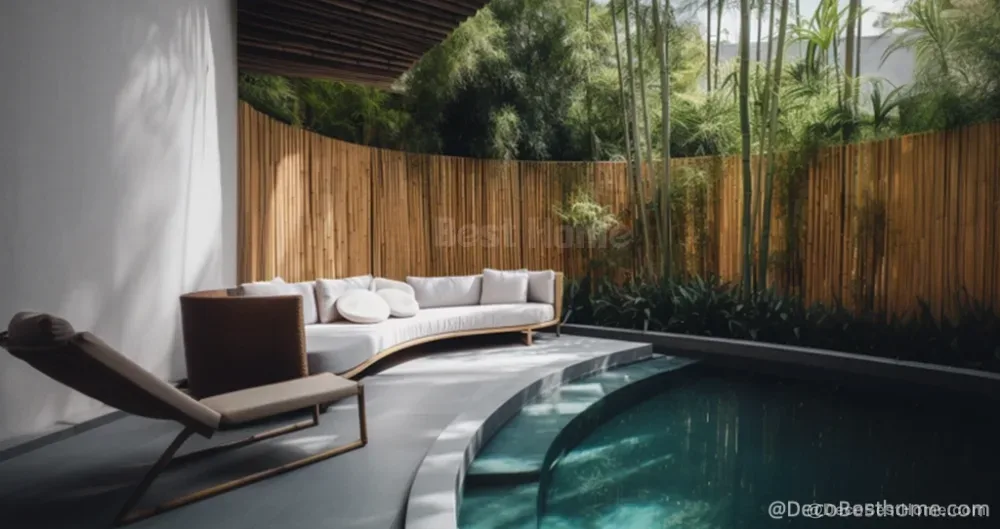
- Tropical-themed gardens: a robust bamboo fence with a thicker, more rugged look adds to the verdant atmosphere and complements rich foliage and water features.
- Contemporary outdoor spaces: a sleek bamboo slat fence provides privacy with a refined, linear structure that complements geometric layouts and clean architectural lines.
Integrating bamboo fencing into the landscape
Creativity is key when integrating bamboo fencing into your existing landscape. Consider using bamboo panels as a backdrop for colourful plants or as a contrasting texture against smooth hardscapes like stone pathways and sleek patio furniture. Bamboo's natural colour variations also provide an organic canvas for outdoor lighting, used to highlight the fence and create ambiance in the evening.
For a dynamic visual effect, combine bamboo with other natural elements like climbing plants or vines, which can weave through the fencing to give it a living-wall feel. These collaborations enhance aesthetic appeal and can create habitats for local wildlife, contributing to ecosystem health.
Combining with other materials
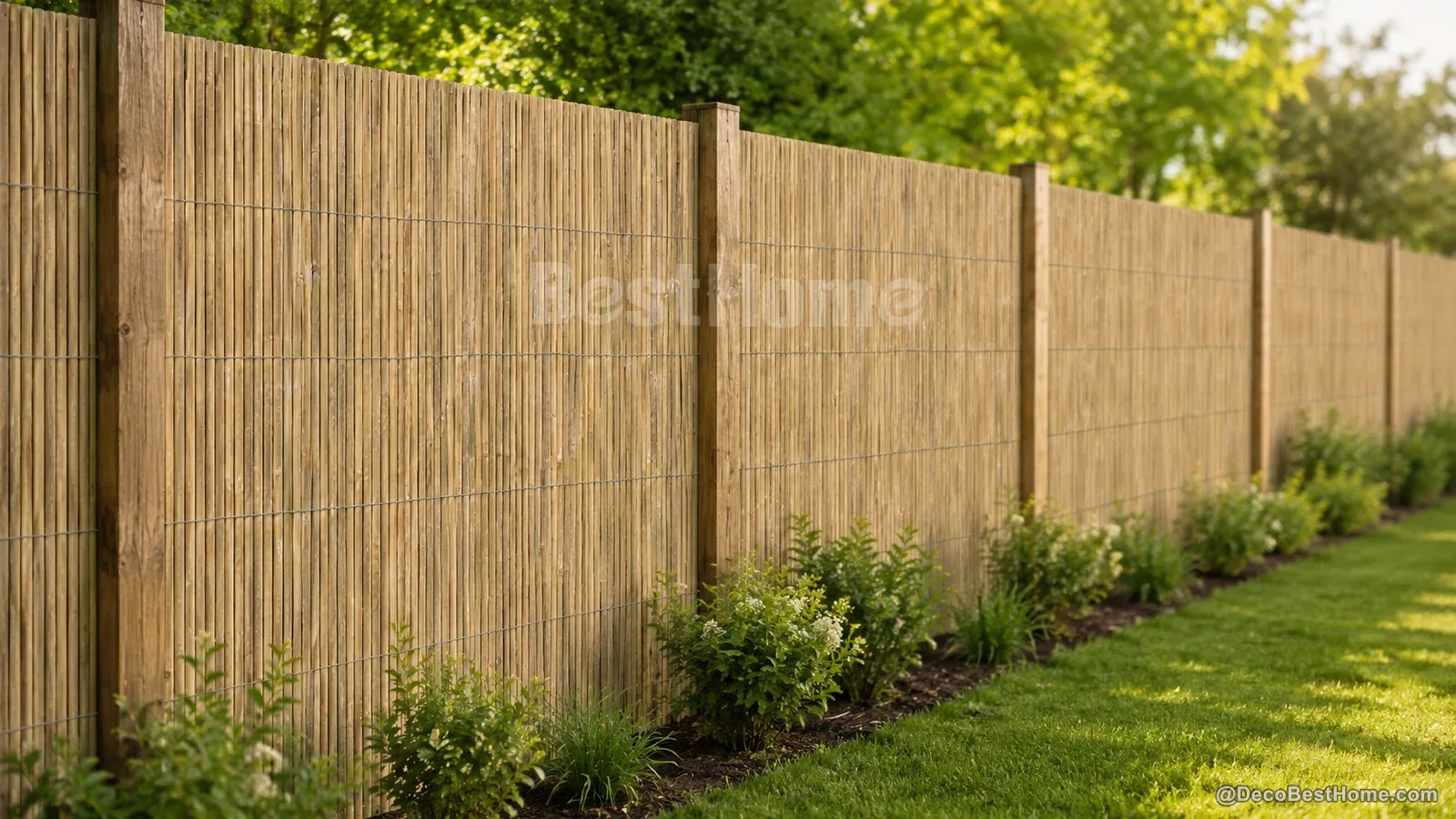
Bamboo fences can be paired with other materials to produce striking visual effects. You can frame bamboo panels with wooden posts for a sturdy, contrasting look, or combine them with wrought-iron accents for a blend of organic and industrial elements. Stone bases not only add design interest but protect the bamboo from direct contact with soil, preventing decay and increasing longevity.
When integrating materials, ensure they harmonize with both the bamboo and the surrounding space. The natural tones of the bamboo should complement, not clash with, other elements in your garden. The goal is balance — where the combination of materials enhances the overall appearance and functionality of the fencing.
Treatment, durability and quality
One of the key factors in the durability of a bamboo fence is the treatment process it undergoes. High-quality bamboo fencing is typically cured — which may include kiln drying — and treated with borates or other environmentally friendly preservatives to prevent decay, mold, and insect infestation. A well-treated bamboo fence can last over 10 years with proper maintenance, so always check with the seller about the treatments applied.
Thickness and density matter too. Thicker, denser canes are more durable and less prone to cracking or splitting. Most high-quality fences use canes with a diameter of at least 1 inch, though the precise thickness depends on the height and length of the fence and local weather conditions.
Signs of quality craftsmanship include uniformity in cane size, consistency in colour, and smoothness of cut edges that prevent moisture accumulation. Joints should be well bound, and any metal hardware should be galvanized or stainless steel to prevent rust. Capped tops on the poles prevent water ingress, and sturdy frames support the structure.
Coating your fence to resist weathering
To further protect your bamboo fence from weather and UV damage, consider applying a water-resistant sealant — initially upon installation, then reapplied every 1–2 years depending on your climate. A UV-resistant protector helps maintain the natural colour, or you might opt for a tinted stain to achieve a desired hue.
When choosing treatments, ensure they are suitable for outdoor use and safe for plants and animals if your fence is within reach of your garden or pets. Always follow the manufacturer's instructions for the best results. Choosing the right bamboo fence isn't just about aesthetics — it's a balance between beauty, durability, and sustainability.
Keep reading
More from the journal
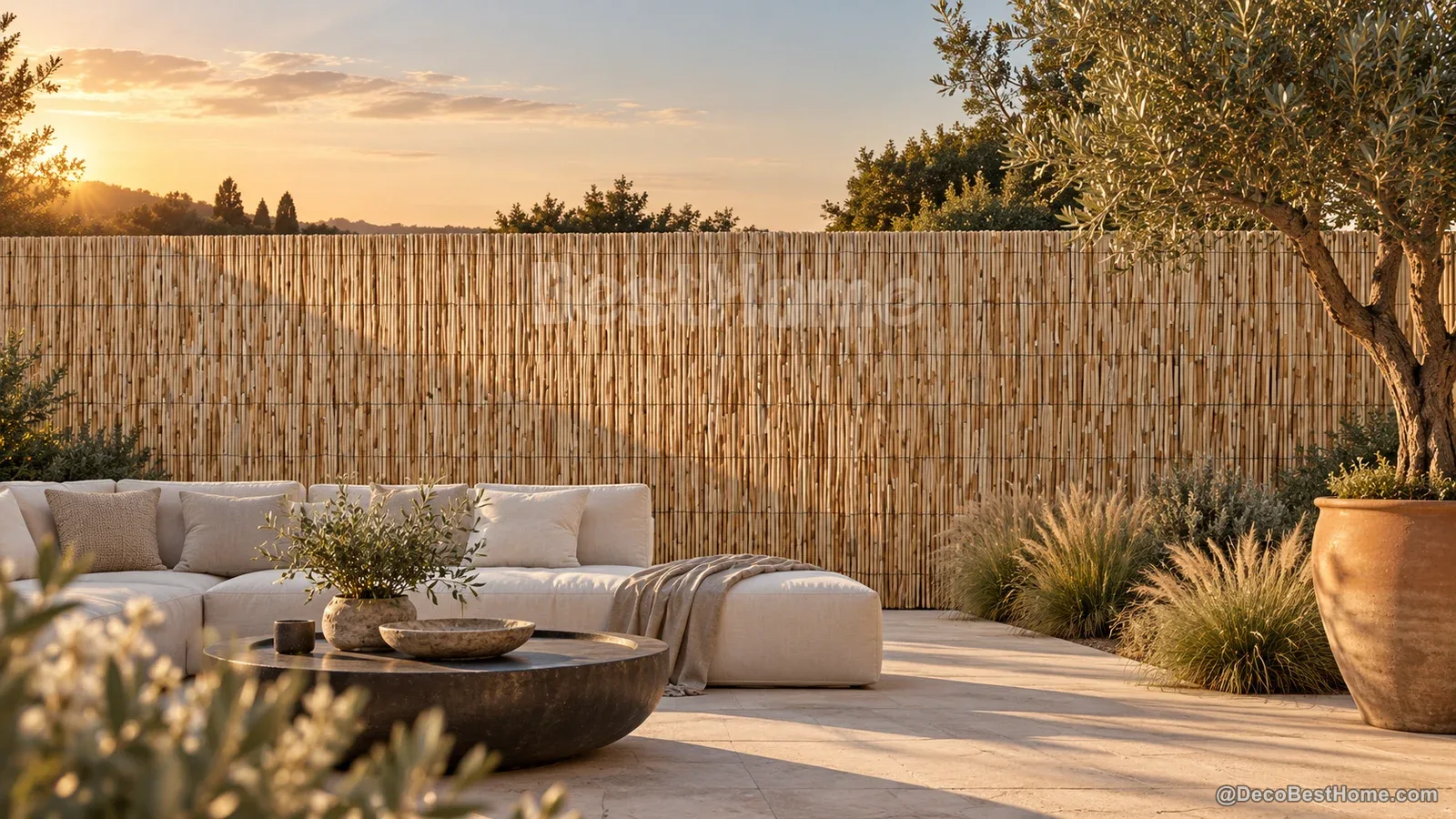
The Best Reed Fence You Can Buy: Extra-Thick Peeled Reed 8–10 mm
Extra-thick peeled reed, 8–10 mm stems woven at maximum density into a fully closed screen — up to 100% privacy and the most premium reed fence we make.
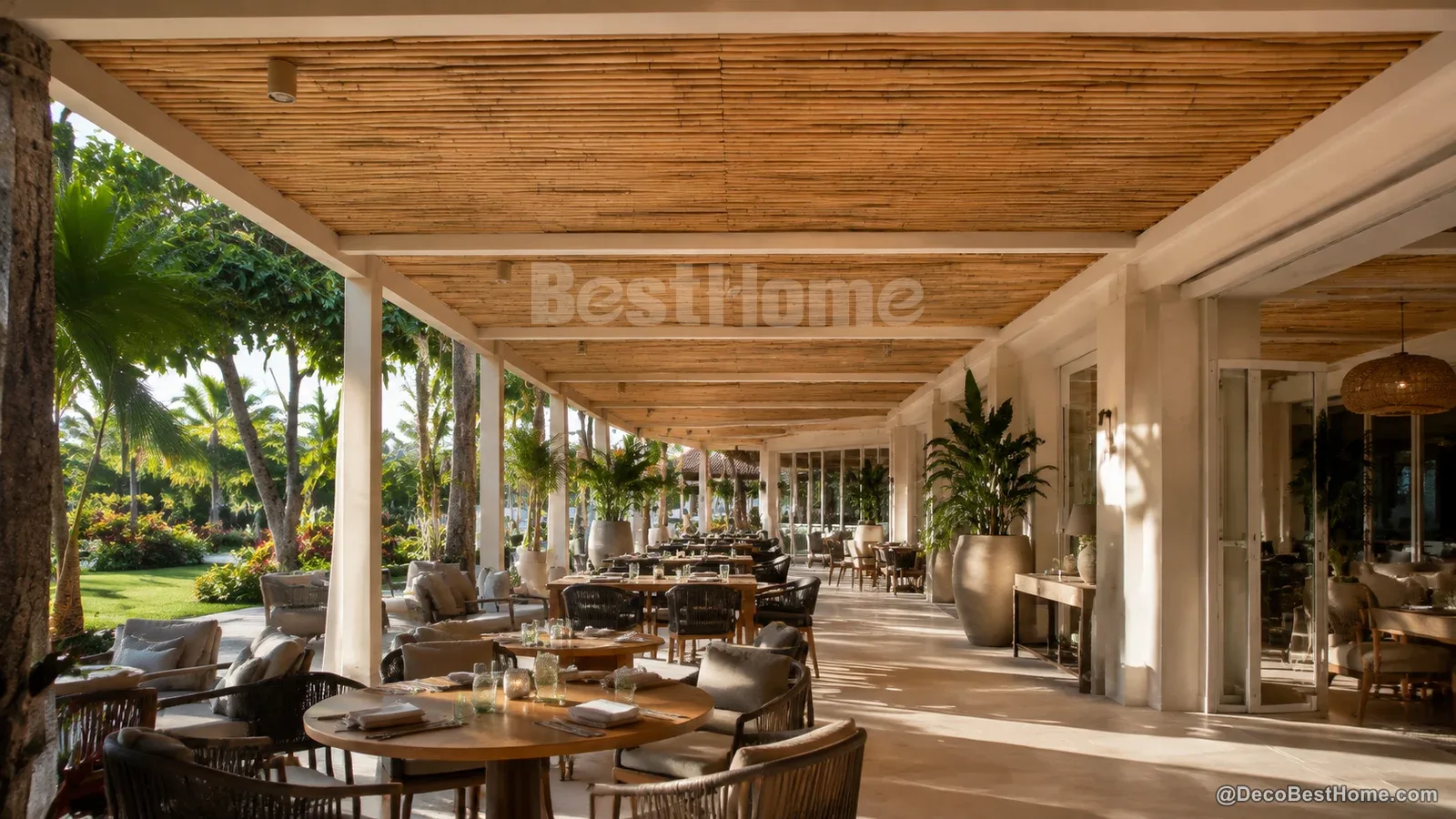
Natural Bamboo Fence Rolls for Ceilings: Natural False Ceilings, Best Choice, Done Beautifully
Bamboo mat rolls make warm, natural decorative ceilings and false ceilings — for restaurants, bars, resorts, terraces and lobbies. Here's how.
Split Bamboo Slat Fencing: A Clean, Natural Privacy Screen
What split bamboo slat fencing is, how it differs from round-cane screening, the sizes, and how to put it up — a refined, natural way to get instant privacy.
Have a project in mind?
Let's source the right natural materials for it.
Tell us what you're building and we'll send specs, samples and a factory-direct quote.